Nepal has once again become the center of political turmoil as a wave of Gen Z-led protests swept the nation, demanding major reforms in governance and a probe into decades of alleged corruption. Even after the resignation of Prime Minister KP Sharma Oli, tensions persist as the younger generation pushes for structural changes, social justice, and accountability. The movement, primarily led by youth and students, highlights the growing frustration of Nepali citizens over political stagnation, corruption, and systemic mismanagement.
Background of the Protests
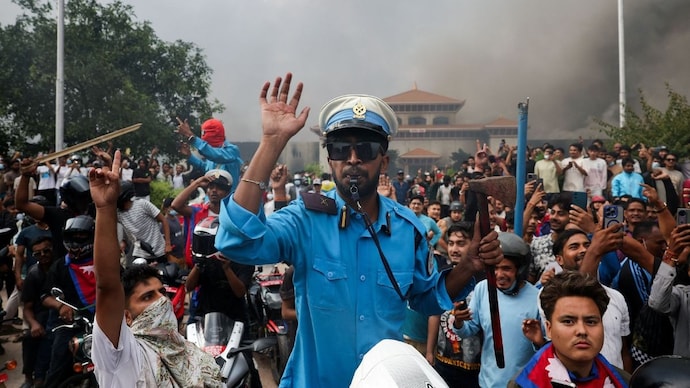
The protests began as demonstrations against the government’s policies, including a controversial social media ban and widespread corruption. Young Nepalis, particularly from the Gen Z demographic, took to the streets, voicing their dissatisfaction with a system they perceive as outdated and exploitative. Their demands quickly evolved from social issues to political reform, targeting both the governance structure and the accountability of leaders responsible for allegedly looting national assets over the last 30 years.
The protests escalated to violence, resulting in at least 22 deaths and multiple injuries. Protesters stormed government buildings, including the Parliament, forcing PM Oli to resign and leave the country temporarily. Despite his departure, the unrest has not subsided, with Gen Z activists continuing to push for deeper, systemic change rather than mere political replacements.
Key Demands of the Gen Z Protesters
The youth movement has outlined a clear set of demands, indicating their intent to overhaul Nepal’s political and administrative system fundamentally.
-
Dissolution of the House of Representatives
Protesters argue that the current legislative body has lost public trust due to repeated failures in governance, corruption, and the inability to address citizen concerns. They demand the immediate dissolution of the House, paving the way for a new system that is more transparent and accountable. -
Rewrite or Amend the Constitution
One of the most significant demands is the amendment or complete rewriting of Nepal’s Constitution. The protesters insist that this process should include active participation from citizens, youth, and subject experts, ensuring that the new Constitution reflects the aspirations of all segments of society rather than entrenched political elites. -
Free and Fair Elections
Protesters want a fresh election cycle conducted after an interim period to restore democratic legitimacy. These elections, they argue, must be independent, fair, and directly participatory, allowing citizens to have a meaningful say in governance. -
Directly Elected Executive Leadership
Moving away from party-centered governance, the movement demands a directly elected executive leadership, such as the Prime Minister or President, to ensure accountability and reduce political patronage and nepotism. -
Investigation into Looted Assets
The protesters have called for a thorough probe into assets allegedly looted by politicians over the last three decades. Any illegally acquired properties and wealth are to be nationalized and returned to public ownership, addressing long-standing economic grievances and reinforcing the rule of law. -
Structural Reforms in Key Institutions
The movement also emphasizes the need for structural reforms in Nepal’s foundational institutions, including education, health, justice, security, and communications. The aim is to modernize these sectors, increase efficiency, and improve public access to essential services.alltypemeaning.com | subhadrayojanaonline.com | outfitideashub.com
alltypefullform.com
The Role of the Army
Following violent demonstrations and property damage, Nepal Army troops were deployed across Kathmandu and other major cities. They were tasked with restoring law and order, preventing further escalation, and protecting citizens.
While the army has taken command of nationwide security operations, it has expressed concern over certain groups exploiting the unrest to create chaos. Statements from army officials warned that such actions could cause severe damage to public property and endanger ordinary citizens, emphasizing the delicate balance between maintaining peace and respecting the protesters’ right to demonstrate.
Social and Political Context
Nepal has a long history of political instability, with frequent changes in government and persistent corruption scandals. The Oli government faced mounting criticism for its handling of the economy, social policies, and failure to curb corruption. While the Gen Z protests were catalyzed by recent events, including the social media ban, they reflect a deeper, ongoing frustration with systemic issues that have persisted for decades.
The demand to rewrite the Constitution is particularly significant, as the current Constitution, promulgated in 2015, has faced criticism for not adequately representing marginalized groups, failing to decentralize power effectively, and allowing entrenched political elites to dominate decision-making processes. By demanding a participatory process for rewriting the Constitution, Gen Z protesters are signaling a desire for inclusive, transparent, and accountable governance.
Recognition of Protesters’ Sacrifices
The movement also seeks to honor those who lost their lives during the demonstrations. Organizers have promised that families of the deceased will receive state recognition, relief, and other benefits, designating them as martyrs for the nation’s future. This measure underscores the seriousness and legitimacy of the protesters’ cause, acknowledging that real human costs have been incurred in the struggle for systemic change.
Addressing Social Issues
Beyond political reform, the protesters have included social demands as part of their agenda:
-
Combating unemployment: Initiatives to create jobs for the youth and reduce economic dependency.
-
Reducing migration: Policies to retain skilled workers within Nepal rather than forcing them to seek opportunities abroad.
-
Fighting social injustice: Measures to ensure equality, fair access to services, and protection of marginalized communities.
These demands indicate that the movement is not merely political but also seeks to improve overall quality of life and social welfare, highlighting the holistic vision of Gen Z protesters.
Challenges Ahead
Despite the resignation of Prime Minister Oli, implementing the protesters’ agenda faces significant challenges. Nepal’s political institutions are deeply entrenched, and reforms such as rewriting the Constitution, investigating corruption, and restructuring fundamental institutions require strong political will, expert involvement, and citizen participation.
Additionally, balancing immediate law and order with long-term reform is difficult. Protests have already caused property damage and disrupted public life, demonstrating the fine line between activism and societal instability.
The Way Forward
To address the demands of Gen Z and stabilize the country, Nepal must consider a multi-pronged approach:
-
Dialogue and Inclusion: Engaging youth representatives, civil society, and experts to co-create policies and reforms.
-
Transparency and Accountability: Establishing independent investigative bodies to probe corruption and recover looted assets.
-
Institutional Strengthening: Reforming fundamental sectors like health, education, justice, security, and communications to ensure efficiency and citizen trust.
-
Political Reforms: Considering mechanisms like directly elected leadership, fair elections, and inclusive governance to reduce political monopoly.
-
Social Policies: Implementing youth-friendly policies, employment schemes, and anti-migration strategies to address economic and social concerns.
Conclusion
The Gen Z protests in Nepal mark a historic moment in the country’s political evolution. Young citizens, motivated by both political and social issues, have demonstrated a willingness to challenge entrenched systems and demand transparent governance, accountability, and reform. While the resignation of Prime Minister KP Sharma Oli is a temporary milestone, the protesters’ larger goals of rewriting the Constitution, investigating looted assets, and reforming key institutions could reshape the future of Nepal.
The movement serves as a wake-up call to political leaders about the expectations of younger generations. Their demands are not just about immediate political change but a vision for a more equitable, just, and accountable Nepal, emphasizing citizen participation and youth empowerment.
As Nepal navigates this period of unrest, the challenge will be to translate protests into meaningful and sustainable reforms, ensuring that the sacrifices of protesters and martyrs lead to tangible progress for the nation. The coming months will test the ability of Nepali authorities to balance stability with reform, but the determination of Gen Z suggests that a transformative era in Nepalese politics may be on the horizon.
