Why Learning Synonyms Improves Writing Skills and Vocabulary

Language is the foundation of communication, and vocabulary is the building block of language. Writers, students, professionals, and researchers all rely on words to express ideas clearly and persuasively. One of the most effective ways to enhance vocabulary and writing ability is by learning synonyms. Synonyms—words that have similar meanings—allow writers to communicate ideas with greater precision, creativity, and clarity. Research in linguistics, cognitive psychology, and education consistently shows that vocabulary depth plays a significant role in writing quality and comprehension. Learning synonyms does more than simply expand word lists; it strengthens cognitive flexibility, improves reading comprehension, and refines communication skills.

Below are the key reasons why learning synonyms significantly improves writing skills and vocabulary.

Expands Vocabulary Depth and Word Knowledge

Vocabulary knowledge is not only about knowing many words but also about understanding relationships between them. Educational research distinguishes between vocabulary breadth (number of words known) and vocabulary depth (how well those words are understood). Learning synonyms enhances vocabulary depth by helping individuals understand subtle differences in meaning, tone, and usage.

For example, words like “happy,” “joyful,” “content,” and “elated” share similar meanings but differ in emotional intensity. Recognizing these nuances allows writers to select words that match their intended tone precisely. Studies in language development show that deeper vocabulary knowledge improves both expressive and receptive language skills. By regularly learning synonyms, writers gain flexibility in expression and avoid overusing common words, making their writing more engaging and sophisticated.

Reduces Repetition and Improves Writing Flow

Repetition of the same word can make writing monotonous and less impactful. One of the core principles in effective writing is variety in language. When writers rely on a limited vocabulary, they tend to repeat familiar words, which can weaken the overall quality of their work.

Learning synonyms provides alternatives that maintain clarity while enhancing style. Instead of repeatedly using the word “important,” a writer might choose “significant,” “crucial,” “essential,” or “vital” depending on context. Writing research suggests that lexical variety contributes to better reader engagement and stronger perceived writing quality. By expanding synonym knowledge, writers naturally improve sentence rhythm, coherence, and readability without compromising meaning.

Enhances Precision and Clarity in Communication

Effective writing depends on choosing the most accurate word for a specific idea. Synonyms may share general meanings, but each carries unique connotations. Understanding these distinctions allows writers to express ideas more precisely.

For instance, “slim” and “skinny” both describe thinness, yet they carry different emotional tones. Similarly, “argue,” “discuss,” and “debate” imply varying levels of intensity. Linguistic studies emphasize that word choice influences interpretation and reader perception. When writers are familiar with multiple synonyms, they can avoid ambiguity and tailor their message to the audience. This precision is especially critical in academic writing, professional communication, and research papers, where clarity and accuracy are essential.

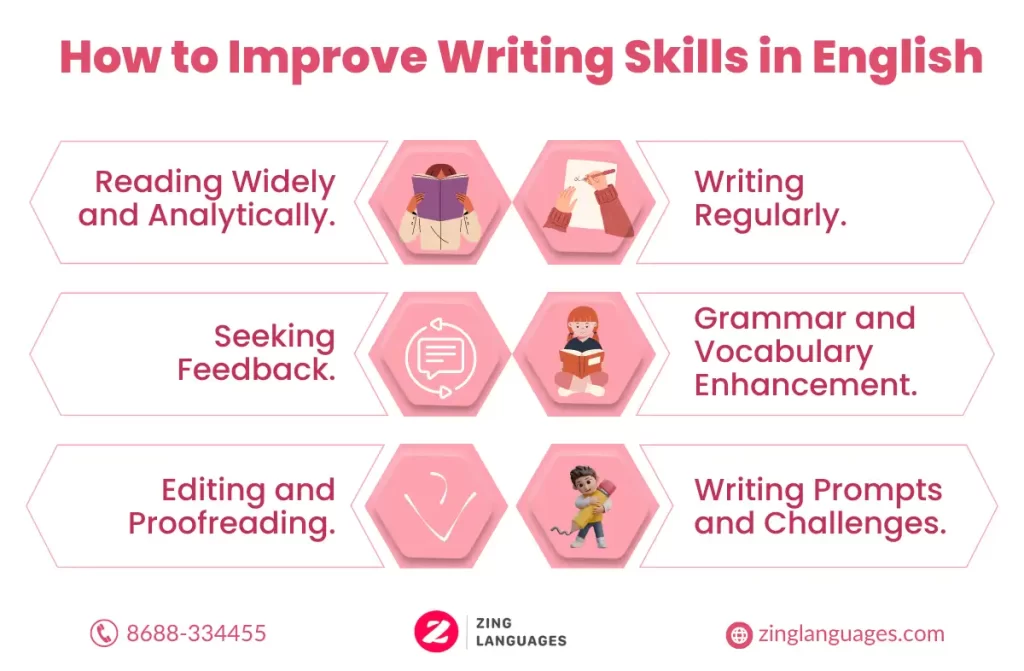
How To Improve Writing Skills In English- BEST 10 Strategies

Strengthens Reading Comprehension Skills

Vocabulary knowledge strongly correlates with reading comprehension. Educational research consistently shows that students with broader and deeper vocabularies understand texts more effectively. Learning synonyms helps readers recognize different words that convey similar ideas across various contexts.

For example, a reader who understands that “rapid,” “swift,” and “speedy” share related meanings will process texts more efficiently. This recognition reduces cognitive load and improves comprehension. Cognitive science research explains that when readers encounter unfamiliar words, understanding related synonyms activates prior knowledge and facilitates meaning-making. As a result, synonym learning supports both writing and reading skills, reinforcing overall language proficiency.

Encourages Cognitive Flexibility and Critical Thinking

Language learning engages cognitive processes such as memory, categorization, and reasoning. When individuals learn synonyms, they practice distinguishing subtle differences between related concepts. This process strengthens cognitive flexibility—the ability to shift perspectives and consider multiple interpretations.

Psycholinguistic research suggests that analyzing word relationships enhances semantic networks in the brain. The stronger these networks, the easier it becomes to retrieve appropriate words during writing or speaking. Additionally, considering synonyms encourages critical thinking. Writers evaluate context, tone, and purpose before selecting the best word. This deliberate decision-making improves not only vocabulary but also analytical and problem-solving skills.

Improves Academic and Professional Writing

In academic and professional settings, writing quality significantly influences credibility and effectiveness. Research papers, reports, proposals, and essays require formal tone and precise terminology. Relying on repetitive or overly simple language can weaken arguments and reduce impact.

Learning synonyms equips writers with the linguistic tools needed for advanced communication. For example, instead of repeatedly using “shows,” an academic writer might use “demonstrates,” “indicates,” “illustrates,” or “reveals,” depending on context. Studies in writing assessment highlight that lexical diversity is often associated with higher evaluation scores. In professional communication, varied vocabulary also enhances persuasion and authority. Mastery of synonyms enables writers to adapt tone according to audience and purpose.

Boosts Creativity and Expressive Power

Creative writing depends heavily on expressive language. Authors, poets, and content creators rely on varied vocabulary to create imagery, emotion, and impact. Synonyms provide writers with a wider palette of linguistic choices, similar to how artists use different shades of color.

Research in language arts education shows that students exposed to rich vocabulary instruction demonstrate improved narrative skills and descriptive writing. Instead of using a general word like “big,” a writer can choose “enormous,” “massive,” “gigantic,” or “colossal” to create vivid imagery. This variation enhances storytelling and keeps readers engaged. Learning synonyms encourages experimentation with language and supports originality in writing.

Supports Language Learning and Multilingual Development

For second-language learners, synonym learning plays a crucial role in achieving fluency. Language acquisition research indicates that understanding word families and semantic relationships accelerates vocabulary retention. When learners recognize connections between similar words, they build stronger mental associations.

For example, understanding that “purchase” and “buy” share meaning but differ in formality helps learners navigate different contexts. Synonym knowledge also aids in paraphrasing—a skill essential for academic writing and avoiding plagiarism. By practicing synonym substitution, language learners gain confidence and communicative competence. Over time, this contributes to more natural and fluent writing.

Encourages Effective Paraphrasing Skills

Paraphrasing is a fundamental academic skill that requires restating information in different words while preserving meaning. Synonym knowledge is central to this process. Research methodology courses often emphasize paraphrasing as a strategy to demonstrate comprehension and avoid direct copying.

Writers who understand multiple synonyms can rephrase ideas accurately without distorting original meaning. However, effective paraphrasing requires understanding context and grammar, not simply replacing words mechanically. Educational research stresses that synonym substitution should maintain coherence and accuracy. Developing this skill enhances academic integrity and strengthens writing competence.

Practical Strategies for Learning Synonyms

Learning synonyms effectively requires active engagement rather than memorization alone. Research in vocabulary instruction recommends contextual learning—studying words within sentences and real-life usage. Reading diverse materials exposes learners to varied vocabulary naturally.

Using a thesaurus thoughtfully can help discover alternatives, but writers must verify contextual suitability. Writing practice, journaling, and revising drafts encourage experimentation with synonyms. Additionally, engaging in word-mapping exercises strengthens semantic connections. Consistent practice reinforces retention and gradually integrates new vocabulary into everyday writing.

Conclusion

Learning synonyms is a powerful strategy for improving writing skills and expanding vocabulary. It enhances vocabulary depth, reduces repetition, improves clarity, and strengthens reading comprehension. It also fosters cognitive flexibility, creativity, and professional communication skills. Educational and linguistic research consistently confirms that strong vocabulary knowledge directly influences writing quality and academic success.

By actively learning and applying synonyms, writers gain greater control over language. They communicate ideas more precisely, engage readers more effectively, and adapt tone to different contexts. Whether in academic research, professional communication, or creative expression, synonym mastery is a practical and valuable tool for lifelong language development.

grammarways.com grammarways.com grammarways.com grammarways.com grammarways.com grammarways.com grammarways.com grammarways.com grammarways.com grammarways.com grammarways.com grammarways.com grammarways.com grammarways.com grammarways.com grammarways.com grammarways.com grammarways.com grammarways.com grammarways.com grammarways.com grammarways.com grammarways.com grammarways.com grammarways.com grammarways.com grammarways.com grammarways.com grammarways.com grammarways.com grammarways.com grammarways.com grammarways.com grammarways.com grammarways.com grammarways.com grammarways.com grammarways.com grammarways.com grammarways.com grammarways.com grammarways.com grammarways.com grammarways.com grammarways.com grammarways.com grammarways.com grammarways.com grammarways.com grammarways.com grammarways.com grammarways.com grammarways.com grammarways.com grammarways.com grammarways.com grammarways.com grammarways.com grammarways.com grammarways.com grammarways.com grammarways.com grammarways.com grammarways.com grammarways.com grammarways.com grammarways.com grammarways.com grammarways.com grammarways.com grammarways.com grammarways.com grammarways.com grammarways.com grammarways.com grammarways.com grammarways.com grammarways.com grammarways.com grammarways.com grammarways.com grammarways.com grammarways.com grammarways.com grammarways.com grammarways.com grammarways.com grammarways.com grammarways.com grammarways.com grammarways.com grammarways.com grammarways.com grammarways.com grammarways.com grammarways.com grammarways.com grammarways.com grammarways.com grammarways.com grammarways.com grammarways.com grammarways.com grammarways.com grammarways.com grammarways.com grammarways.com grammarways.com grammarways.com grammarways.com grammarways.com grammarways.com grammarways.com grammarways.com grammarways.com grammarways.com grammarways.com grammarways.com grammarways.com grammarways.com grammarways.com grammarways.com grammarways.com grammarways.com grammarways.com grammarways.com grammarways.com grammarways.com grammarways.com grammarways.com grammarways.com grammarways.com grammarways.com grammarways.com grammarways.com grammarways.com grammarways.com grammarways.com grammarways.com grammarways.com grammarways.com grammarways.com grammarways.com grammarways.com grammarways.com grammarways.com grammarways.com grammarways.com grammarways.com grammarways.com grammarways.com grammarways.com grammarways.com grammarways.com grammarways.com grammarways.com grammarways.com grammarways.com grammarways.com grammarways.com grammarways.com grammarways.com grammarways.com grammarways.com grammarways.com grammarways.com grammarways.com grammarways.com grammarways.com grammarways.com grammarways.com grammarways.com grammarways.com grammarways.com grammarways.com grammarways.com grammarways.com grammarways.com grammarways.com grammarways.com grammarways.com grammarways.com grammarways.com grammarways.com grammarways.com grammarways.com grammarways.com grammarways.com grammarways.com grammarways.com grammarways.com grammarways.com grammarways.com grammarways.com grammarways.com grammarways.com grammarways.com grammarways.com grammarways.com grammarways.com grammarways.com grammarways.com grammarways.com grammarways.com grammarways.com grammarways.com grammarways.com grammarways.com grammarways.com grammarways.com grammarways.com grammarways.com grammarways.com grammarways.com grammarways.com grammarways.com grammarways.com grammarways.com grammarways.com grammarways.com grammarways.com grammarways.com grammarways.com grammarways.com grammarways.com grammarways.com grammarways.com grammarways.com grammarways.com grammarways.com grammarways.com grammarways.com grammarways.com grammarways.com grammarways.com grammarways.com grammarways.com grammarways.com grammarways.com grammarways.com grammarways.com grammarways.com grammarways.com grammarways.com grammarways.com grammarways.com grammarways.com grammarways.com grammarways.com grammarways.com grammarways.com grammarways.com grammarways.com grammarways.com grammarways.com grammarways.com grammarways.com grammarways.com grammarways.com grammarways.com grammarways.com grammarways.com grammarways.com grammarways.com grammarways.com grammarways.com grammarways.com grammarways.com grammarways.com grammarways.com grammarways.com grammarways.com grammarways.com grammarways.com grammarways.com grammarways.com grammarways.com grammarways.com grammarways.com grammarways.com grammarways.com grammarways.com grammarways.com grammarways.com grammarways.com grammarways.com grammarways.com grammarways.com grammarways.com grammarways.com grammarways.com grammarways.com grammarways.com grammarways.com grammarways.com grammarways.com grammarways.com grammarways.com grammarways.com grammarways.com grammarways.com grammarways.com grammarways.com grammarways.com grammarways.com grammarways.com grammarways.com grammarways.com grammarways.com grammarways.com grammarways.com